
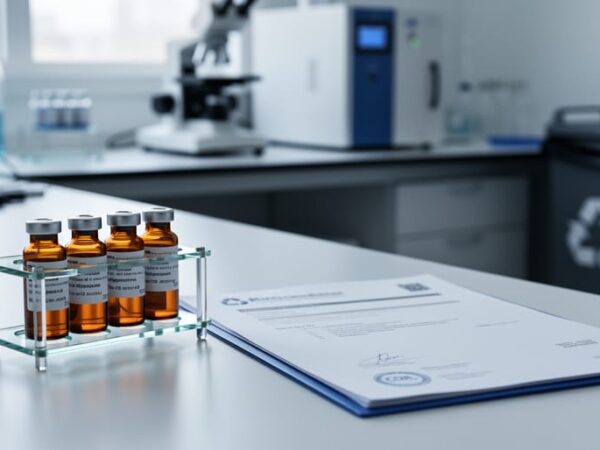
Sourcing research peptides requires navigating a specialized market where quality verification and supplier credibility directly impact experimental outcomes. Laboratory professionals and researchers need peptides that meet rigorous purity standards, backed by independent testing and comprehensive documentation. For additional sourcing options of research-grade compounds, visit Kylo Peptides alongside other verified suppliers that provide third-party HPLC verification and batch-specific Certificates of Analysis (COAs) as standard practice. In the UK, suppliers like Peptides Lab UK have set benchmarks by offering COA-verified products with same-day dispatch, demonstrating the growing accessibility of research-grade compounds.
The procurement process extends beyond price comparison. It demands evaluating supplier transparency, understanding batch testing protocols, and confirming that products are labeled exclusively for laboratory research use. ISO9001-certified laboratories now partner with suppliers to conduct independent batch testing, a practice that adds accountability to the supply chain. Pure Peptides UK exemplifies this approach by making COAs available through a dedicated Quality Centre, allowing researchers to verify purity data before purchase.
This guide connects rigorous scientific procurement with environmental responsibility. By choosing suppliers committed to transparent quality standards and efficient logistics, researchers can reduce waste from failed experiments and minimize the carbon footprint associated with repeat orders. The intersection of laboratory excellence and sustainable practices creates a framework where informed purchasing decisions support both scientific integrity and environmental stewardship.
Understanding Research Peptides and Their Role in Modern Science
Research peptides are short chains of amino acids synthesized for laboratory investigation, serving as fundamental tools in biochemistry, pharmacology, and molecular biology studies. These molecules allow scientists to explore cellular mechanisms, test biological pathways, and develop potential therapeutic applications under controlled conditions.
In modern laboratory settings, research peptides support diverse applications. Researchers use them to investigate tissue repair processes, study metabolic pathways, and examine protein interactions at the molecular level. The compounds enable precise experimental work because their defined structures produce consistent, reproducible results when properly handled and stored.
- Research Peptides
- Short chains of amino acids synthesized specifically for laboratory investigation and scientific study, not intended for human consumption.
- HPLC Verification
- High-Performance Liquid Chromatography testing that confirms peptide purity and composition by separating and analyzing molecular components.
- Certificate of Analysis (COA)
- An official document detailing the testing results and quality specifications for each peptide batch, typically provided by independent laboratories.
- Research-Grade Classification
- A designation indicating that materials meet specific purity and quality standards suitable for laboratory use, typically requiring third-party verification.
Proper sourcing matters significantly for both research integrity and environmental responsibility. When peptide quality varies or lacks verification, experimental results become unreliable, wasting the time, energy, and resources invested in flawed studies. Laboratories that source materials from verified suppliers with batch-specific testing protocols ensure their work rests on a solid foundation.
The environmental dimension connects directly to these quality considerations. Choosing suppliers who provide transparent testing documentation and efficient delivery systems reduces the need for repeat orders caused by quality failures. Labs avoid the carbon footprint of replacement shipments and the waste generated by unusable materials. Third-party verification through ISO9001-certified facilities establishes accountability in the supply chain, ensuring that what arrives matches what the research demands and that resources aren’t squandered on substandard compounds.
The Environmental Impact of Laboratory Research Procurement
Transportation and Carbon Emissions
When sourcing research peptides, laboratories must weigh the environmental cost of delivery speed against operational needs. While UK suppliers such as Peptides Lab UK offer same-day dispatch with next-day delivery, faster shipping carries a significant carbon penalty, next-day delivery increases emissions compared to standard ground transport.
Express delivery typically requires air freight or dedicated vehicle routes, both of which consume substantially more fuel per kilogram shipped than consolidated ground services. Standard five-to-seven-day shipping allows carriers to optimize routes and vehicle capacity, cutting per-package emissions by up to 50% in some cases.
For laboratories ordering research materials like BPC-157 or TB-500, advance planning enables environmentally responsible choices. Batch multiple orders together when feasible, and select standard delivery unless experimental timelines genuinely require expedited service. This simple shift helps reduce transport emissions without compromising research quality. Consider coordinating with other departments to consolidate shipments from the same supplier, maximizing vehicle efficiency while maintaining the third-party HPLC verification and Certificate of Analysis standards your work demands.
Packaging and Waste Reduction
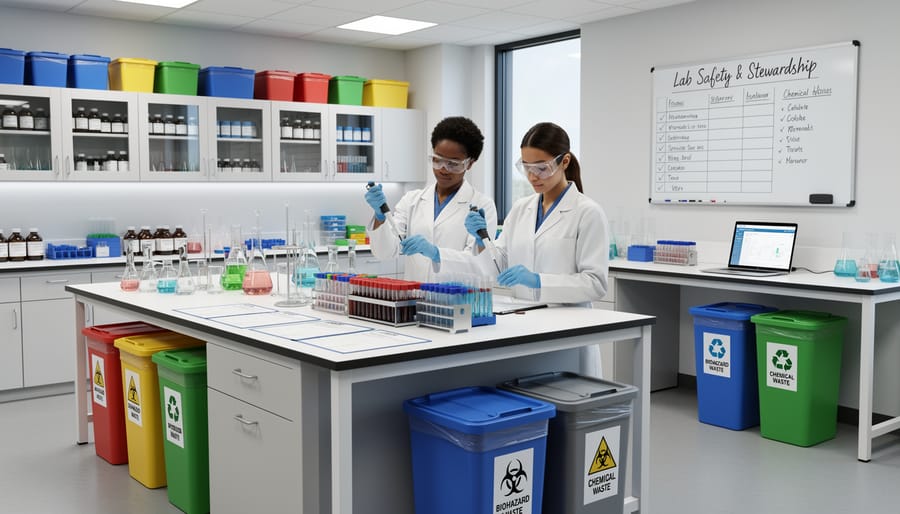
Research peptide packaging presents a significant opportunity for laboratories to reduce their environmental footprint. Traditional packaging often relies on excessive plastic insulation, non-recyclable foam containers, and single-use cold packs that end up in landfill. When evaluating suppliers, look for those using recyclable insulated materials, biodegradable cold packs, or reusable thermal shipping containers. Some forward-thinking suppliers now offer packaging return programs where laboratories can send back thermal inserts for reuse, dramatically cutting waste.
Beyond incoming packaging, laboratories can minimize research material waste through proper storage planning and inventory management. Order peptides in appropriate quantities based on actual research needs rather than stockpiling, which often leads to expired materials. Implement a first-in, first-out system to ensure older stock gets used before expiration dates pass. When peptides do reach their research lifecycle end, follow proper disposal protocols rather than treating them as regular waste.
Consider consolidating orders when possible to reduce packaging frequency, though this must be balanced against storage capacity and research timelines. Request minimal packaging options from suppliers when appropriate for your storage facilities. These seemingly small adjustments compound over time, aligning laboratory procurement with broader sustainability goals while maintaining the research integrity that quality peptides require.
Quality Verification Standards for Research Peptides
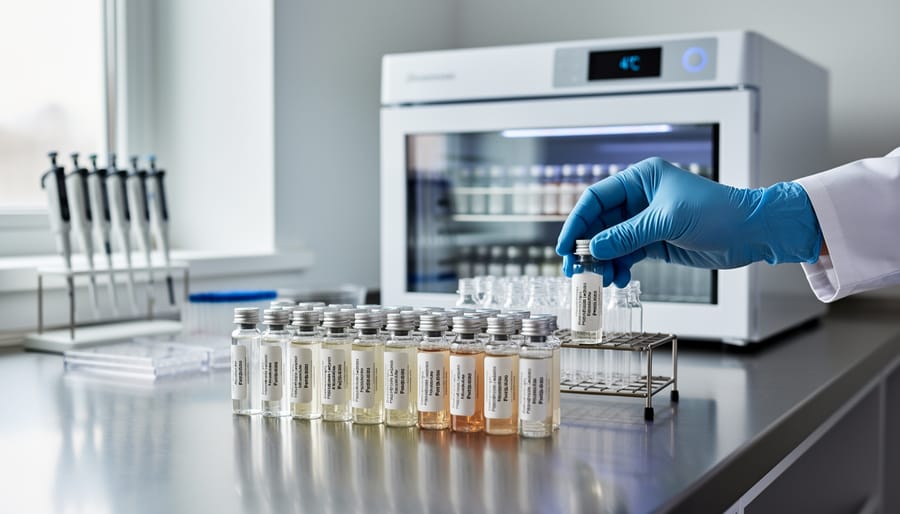
Quality verification standards serve as the foundation for research integrity and reproducible results when working with peptides. Without rigorous testing protocols, laboratories risk compromising experimental outcomes and wasting valuable resources on substandard materials.
Third-party testing represents the gold standard in peptide verification. Unlike manufacturer self-testing, independent laboratory analysis provides unbiased confirmation of peptide purity, composition, and concentration. High-Performance Liquid Chromatography (HPLC) verification has become the industry benchmark for assessing peptide quality, offering precise measurements of purity levels typically exceeding 98% for research-grade materials. Current UK suppliers maintain partnerships with ISO9001-certified laboratories specifically to ensure testing independence and reliability.
The Certificate of Analysis (COA) provides a detailed snapshot of each peptide batch’s characteristics. A comprehensive COA should document the testing methods used, purity percentages, molecular weight confirmation, and storage recommendations. Researchers should verify that COAs include the batch number matching their purchased product and confirm the testing date falls within a reasonable timeframe. Learning how to verify a COA helps identify red flags such as missing test parameters or suspiciously uniform results across multiple batches.
ISO9001 certification indicates a supplier’s commitment to quality management systems and consistent production standards. While this certification addresses operational processes rather than specific peptide quality, it signals that a manufacturer maintains documented procedures, regular audits, and continuous improvement protocols. These systems reduce the likelihood of contamination, mislabeling, or batch-to-batch variability.
Proper product labeling matters equally. Research-grade peptides should clearly state they are intended for laboratory use only, include batch identification numbers, and specify storage requirements. This transparency allows laboratories to maintain proper chain-of-custody documentation and traceability throughout their research projects.
What to Look for When Sourcing Research Peptides

When evaluating suppliers for research peptides, researchers face a critical decision that impacts both experimental validity and environmental responsibility. The right supplier supports your scientific objectives while aligning with sustainable laboratory practices.
Start with verification standards. Reputable suppliers provide third-party HPLC verification for every batch, demonstrating peptide purity and composition through independent laboratory analysis. This external validation removes conflicts of interest and ensures the material matches its specifications. Look for suppliers who offer a Certificate of Analysis with each order, providing documented proof of purity percentages, molecular weight, and contamination screening. Some UK suppliers now partner with ISO9001 certified laboratories for independent testing, creating an additional layer of quality assurance. Make these documents available and reviewable before purchase, not just upon request after delivery.
Product labeling reveals supplier professionalism and commitment to research integrity. Clear labeling should specify the peptide name, concentration, storage requirements, batch number, and explicit designation for laboratory research use. Labels that include both HPLC verification status and COA batch information demonstrate transparency. Ambiguous labeling or missing storage instructions signal insufficient quality control processes.
Examine testing protocols beyond basic purity checks. Comprehensive testing includes endotoxin screening, sterility verification, and stability data. Suppliers who publish their testing methodology and make results accessible through online quality centers demonstrate accountability. Just as you would buy verified products for energy efficiency, apply the same verification principle to research materials, demand evidence, not promises.
Consider delivery options through an environmental lens. Same-day dispatch and next-day delivery options reduce storage time but increase carbon emissions from expedited shipping. Balance urgency against environmental impact by planning orders to allow standard delivery when possible. Evaluate packaging materials, suppliers using recyclable, minimal packaging demonstrate environmental awareness without compromising product stability.
Finally, assess supplier communication and support. Reliable suppliers respond promptly to questions about testing data, storage recommendations, and batch-specific information. This accessibility matters when you need verification or troubleshooting during time-sensitive research.
Sustainable Laboratory Practices Beyond Procurement
Energy-Efficient Storage and Handling
Research peptides typically require storage at -20°C to -80°C, making refrigeration one of the largest energy draws in laboratory operations. Laboratories can significantly reduce consumption by investing in modern, well-insulated ultra-low temperature freezers that use 30-40% less electricity than older models. Regular defrosting schedules, proper door seal maintenance, and strategic placement away from heat sources further minimize energy waste. Consolidating samples to reduce the number of active freezers directly cuts operational costs while supporting energy efficient choices.
Temperature monitoring systems prevent costly energy spikes from equipment failures. Installing programmable thermostats and implementing efficient climate control in storage areas maintains stable conditions without overcooling entire laboratory spaces. Labs should audit their cold storage inventory quarterly, discarding expired materials to avoid wasting energy preserving unusable peptides. Simple practices, filling freezer empty space with insulating materials, grouping frequent-access items together, and minimizing door-open time, compound into measurable energy savings without compromising research material integrity.
Collaboration Opportunities with Sustainable Suppliers
Research institutions seeking sustainable peptide suppliers can draw inspiration from successful government-business energy efficiency partnerships. Start by requesting detailed environmental impact data from potential suppliers, including their carbon reduction initiatives, renewable energy usage in manufacturing, and packaging sustainability programs. Look for suppliers who voluntarily maintain certifications beyond minimum requirements, facilities with ISO9001 certification demonstrate commitment to systematic quality and environmental management that extends throughout their operations.
Establish regular dialogue with suppliers about shared sustainability goals. Some forward-thinking suppliers offer transparency reports detailing their carbon footprint reduction efforts, similar to how energy efficiency programs track measurable outcomes. Consider negotiating bulk ordering schedules that balance research needs with reduced delivery frequency, cutting transportation emissions while maintaining adequate supply. Request consolidation of shipments when ordering multiple peptide types, and explore whether suppliers offer take-back programs for packaging materials or cold-chain shipping components.
Document these partnerships as case studies within your institution. Sharing successful supplier collaborations creates accountability and encourages industry-wide adoption of environmental standards, multiplying the impact of individual procurement decisions across the research community.
Making Informed Decisions for Your Research Needs
Selecting the right peptide supplier requires balancing scientific rigor with environmental responsibility. Start by prioritising third-party verification, suppliers offering HPLC testing and batch-specific Certificates of Analysis demonstrate commitment to quality standards. Look for ISO9001 certification at testing facilities, which indicates systematic quality management processes are in place.
Verify that products carry proper research-use-only labeling and documentation. This designation protects research integrity and ensures materials meet laboratory standards rather than commercial formulations. Request access to quality documentation before committing to bulk orders, reputable suppliers make COAs available through online portals or quality centres where you can review testing results for specific batches.
Consider practical factors that affect both your research timeline and environmental footprint. Same-day dispatch with next-day delivery reduces storage requirements but increases carbon emissions compared to consolidated shipments. Evaluate whether your project timeline genuinely requires expedited shipping or if standard delivery aligns with your experimental schedule while reducing transportation impact.
Finally, conduct due diligence on supplier claims. Cross-reference verification statements with actual documentation availability. A supplier describing itself as verified should readily provide third-party test results, not just assert quality standards. This verification step protects your research investment and ensures the peptides you receive meet the specifications your experiments demand.
Choosing research peptides for your laboratory represents more than a procurement decision, it’s an opportunity to align scientific excellence with environmental responsibility. By verifying supplier credentials, prioritizing third-party testing, and considering the carbon footprint of delivery and packaging choices, research institutions can uphold both rigorous quality standards and their commitment to sustainability. The intersection of reliable sourcing and climate-conscious practices doesn’t require compromise; suppliers offering HPLC verification, ISO9001-certified testing, and transparent Certificates of Analysis can also provide efficient delivery options that minimize environmental impact.
As you evaluate suppliers for your research needs, apply the same diligence to environmental considerations that you bring to quality verification. Ask about packaging materials, transportation methods, and the supplier’s own sustainability practices. These conversations create market pressure for greener laboratory supply chains, amplifying the impact beyond your individual institution. Scientific research drives solutions to our most pressing environmental challenges, and the methods we use to conduct that research should reflect the sustainable future we’re working to build. Verify credentials, demand transparency, and make choices that honor both scientific integrity and our shared responsibility to the planet.